If you’ve noticed condensation building up on your windows this winter, you’re not alone. Mid-winter is when Springfield area homeowners start searching phrases like “windows sweating inside,” “condensation on windows in winter,” and “are foggy windows bad.” While a little moisture may seem harmless, persistent condensation can be a sign of deeper issues inside your home.
Understanding what causes winter window condensation and knowing when to take action can help you protect your home from mold, rot, and long-term damage.
What Causes Window Condensation in Winter?
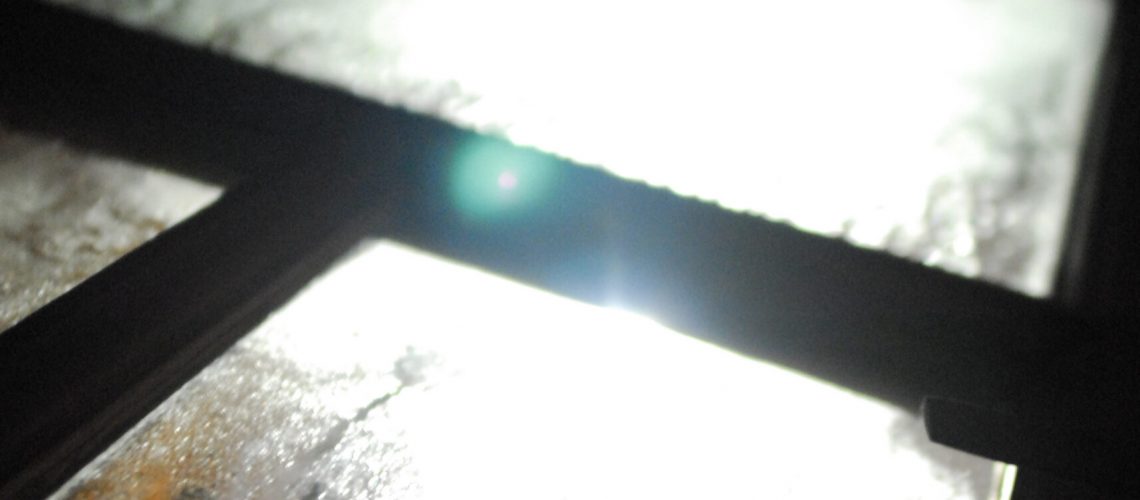
Condensation forms when warm, moist indoor air meets a cold surface. In winter, your windows are often the coldest surfaces in the home. When indoor humidity levels are high, moisture collects on the glass and frames.
Common contributors include:
- Cooking, showering, and laundry
- Poor ventilation
- Aging or inefficient windows
- Gaps around window frames
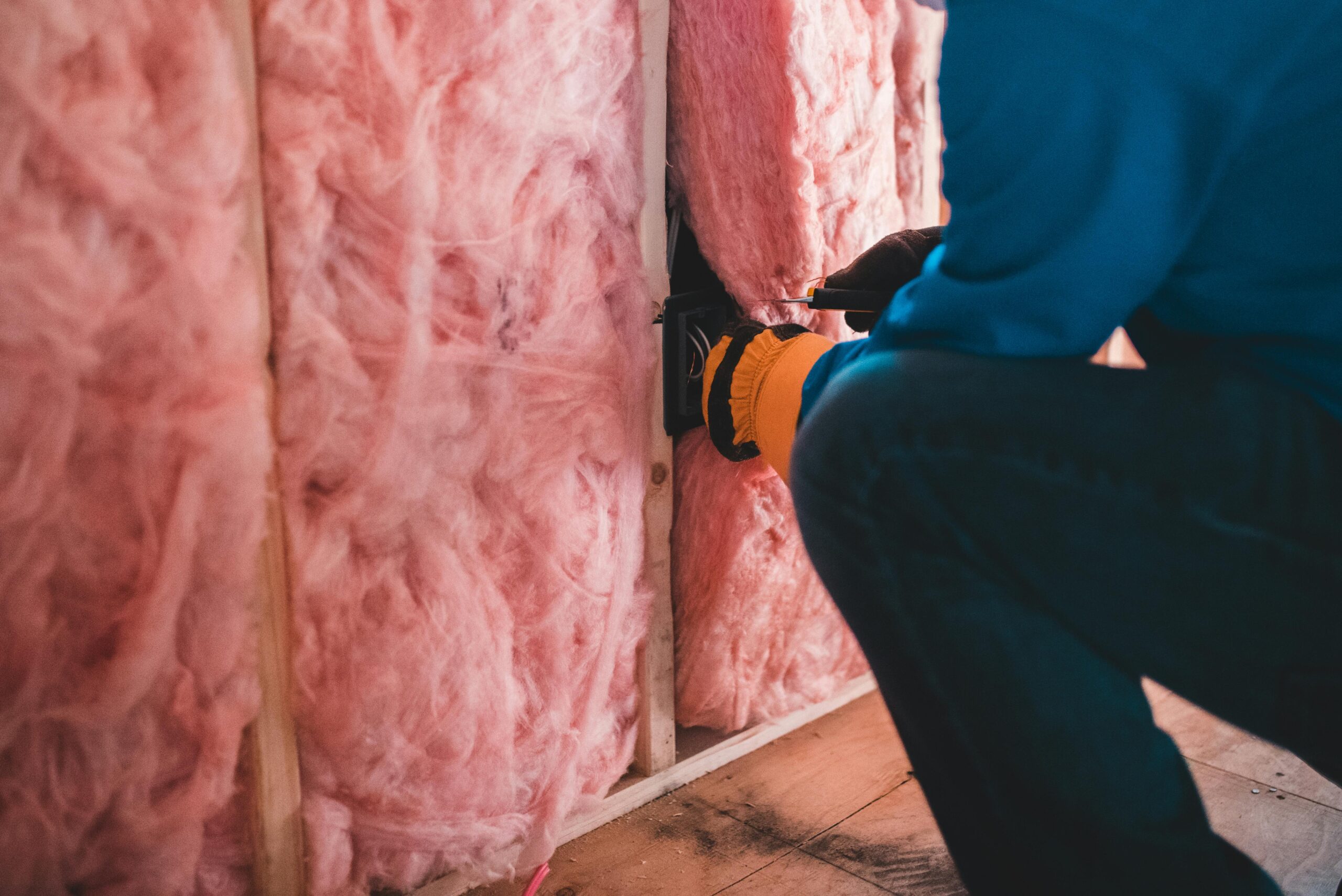
- Inadequate insulation in walls or attics
While occasional condensation during extreme cold snaps can be normal, consistent moisture is not.
When Condensation Is a Warning Sign
1. Moisture on Window Frames
Water pooling on sills or soaking into wood trim can lead to rot, peeling paint, and mold growth.
2. Fog Between Glass Panes
If moisture appears inside double-pane windows, the seal has failed. This means the window has lost its insulating value and should be replaced.
3. Mold or Mildew Around Windows
Dark spots or musty smells near windows indicate ongoing moisture problems that should be addressed quickly.
4. Cold Drafts Near Windows
Drafts allow cold air to cool surfaces faster, increasing condensation and heat loss at the same time.
Why Ignoring Condensation Can Cost You
Left untreated, winter window moisture can cause:
- Wood rot around frames
- Mold growth inside walls
- Increased heating costs
- Damaged drywall and paint
- Reduced indoor air quality
What starts as a foggy window can quietly turn into an expensive repair.
How Home Improvements Can Fix the Problem
Many homeowners assume condensation is just part of winter, but in many cases, it’s a sign that your home needs improvement.
Energy-Efficient Window Replacement
Modern windows are designed to keep interior glass warmer, reducing condensation and improving comfort.
Sealing and Insulation Improvements
Gaps around window frames allow cold air to drop temperatures inside walls. Proper sealing and insulation help stabilize indoor conditions.
Exterior Upgrades
Old siding and failing trim allow moisture intrusion, worsening condensation issues inside the home.
Ventilation Solutions
Balanced airflow helps control indoor humidity, especially in kitchens and bathrooms.
Why Winter Is Still a Good Time to Address It
Many homeowners wait until spring to deal with window issues, but winter is actually the best time to spot problems. Condensation, drafts, and moisture damage are most visible now, making inspections more accurate.
Addressing these issues mid-winter can:
- Prevent mold growth
- Reduce heating costs immediately
- Stop further moisture damage
- Improve indoor comfort right away
Let Capital City Help You Protect Your Home This Winter
At Capital City Home Improvement, we help Springfield homeowners identify and fix the root causes of winter moisture problems. Whether it’s window replacement, insulation upgrades, siding repair, or exterior sealing, we focus on solutions that last.
If your windows are constantly fogging up or you’re seeing signs of moisture damage, don’t ignore it.
📞 Call Capital City Home Improvement today for a free estimate: 217-414-2304
Local. Family-owned. Trusted in Springfield, IL.